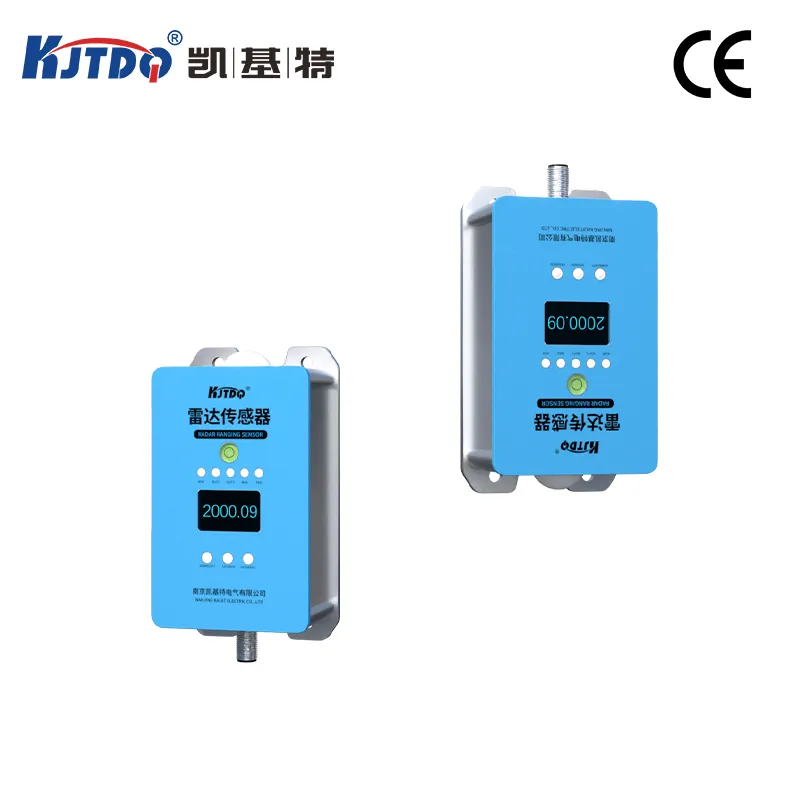
BIM-IKT-Y1
- 時間:2025-10-23 17:08:14
- 點擊:0
BIM-IKT-Y1: Bridging the Gap Between Building Information Modeling and Information and Communication Technology
In the rapidly evolving landscape of the construction and engineering industries, the integration of Building Information Modeling (BIM) with Information and Communication Technology (ICT) has become a critical strategy for enhancing project efficiency, sustainability, and collaboration. The acronym BIM-IKT-Y1 represents a strategic initiative aimed at leveraging the strengths of BIM and ICT to create a more intelligent and interconnected digital environment for building projects. This article explores the significance of BIM-IKT-Y1, its implementation, and its transformative impact on the construction sector.
The concept of BIM-IKT-Y1 is rooted in the idea of combining Building Information Modeling with Information and Communication Technology to create a more efficient and sustainable construction process. BIM is a digital tool that allows for the creation, management, and sharing of building data throughout the project lifecycle. ICT, on the other hand, encompasses a wide range of technologies, including software, networks, and data management systems, which are essential for enabling seamless collaboration and data exchange.

BIM-IKT-Y1 is not just about the integration of two technologies; it is about creating a cohesive ecosystem that enhances project outcomes. By combining BIM with ICT, organizations can achieve greater transparency, reduce errors, and improve decision-making. This integration allows for real-time data sharing, which is crucial in today’s fast-paced construction environment. The result is a more efficient workflow, reduced costs, and improved sustainability.
One of the key benefits of BIM-IKT-Y1 is the ability to simulate and analyze building performance. With the help of ICT, project teams can model different scenarios and predict outcomes before they are implemented. This predictive capability allows for better planning and resource allocation, leading to more successful project outcomes. Additionally, the integration of BIM with ICT enables real-time monitoring and control of construction activities, ensuring that projects stay on track and meet their objectives.
Another significant aspect of BIM-IKT-Y1 is the enhancement of collaboration among different stakeholders. In traditional construction projects, communication between architects, engineers, contractors, and clients can be fragmented and inefficient. BIM-IKT-Y1 addresses this issue by providing a centralized platform where all project data is accessible and can be shared in real-time. This not only improves communication but also fosters a culture of transparency and trust among all involved parties.
The implementation of BIM-IKT-Y1 requires a strategic approach and a commitment to change management. Organizations must invest in the right technologies and train their workforce to utilize these tools effectively. It is also important to establish clear protocols for data management and security to ensure that the integrity of the BIM and ICT systems is maintained.
In conclusion, BIM-IKT-Y1 represents a transformative approach to construction and engineering that is reshaping the industry. By integrating BIM with ICT, organizations can unlock new possibilities for innovation, efficiency, and sustainability. As the construction sector continues to evolve, the adoption of BIM-IKT-Y1 will become increasingly essential for staying competitive and delivering high-quality projects. This initiative is not just a trend; it is a necessary evolution in the way we approach building projects.