Understanding Radar Level Transmitters: A Comprehensive Overview
- 時間:2024-11-26 18:14:11
- 點擊:0
The technology surrounding radar level transmitters has revolutionized the way industries measure and monitor liquid levels. These devices, known in English as “radar level transmitters,” play a critical role in ensuring accurate and reliable level detection across various sectors, from oil and gas to wastewater management and food processing. This article delves into the fundamental aspects of radar level transmitters, highlighting their functionality, benefits, and applications.
What is a Radar Level Transmitter?
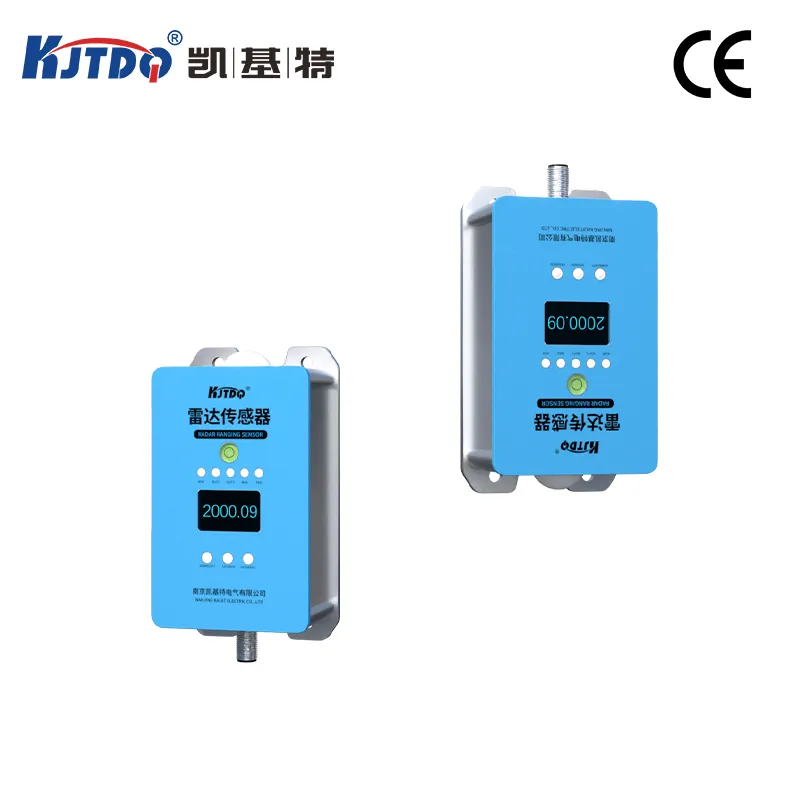
A radar level transmitter is an advanced measurement instrument that utilizes radio waves to determine the level of a substance contained within a tank or vessel. Unlike traditional methods such as float gauges or pressure sensors, radar level transmitters offer non-contact measurement capabilities, which means they can accurately measure levels without being in direct contact with the medium. This feature significantly enhances the lifespan and reliability of the device, particularly in challenging environments where corrosion or contamination would otherwise be an issue.
How Do Radar Level Transmitters Work?
Radar level transmitters operate based on the principles of time-domain reflectometry (TDR) or frequency-modulated continuous wave (FMCW). In TDR, a high-frequency radar pulse is sent towards the surface of the liquid, reflected, and then received back by the transmitter. The time delay between the emission and reception of the signal is converted into a distance measurement, allowing for precise level determination. FMCW, on the other hand, measures the frequency shift of the reflected signal to calculate the distance to the liquid’s surface. Both technologies ensure accurate readings regardless of changes in temperature, pressure, or the physical properties of the substance being measured.
Advantages of Radar Level Transmitters
Non-Contact Measurement: As mentioned earlier, this feature prevents wear and tear of components, making them ideal for abrasive, corrosive, or viscous media.
Accuracy and Reliability: Radar technology provides high precision in measuring levels, even in complex process conditions like those involving foaming, turbulent surfaces, or low dielectric constant materials.
Versatility: Suitable for a wide range of applications including hazardous areas due to their ability to function without the need for openings or vents in vessels.
Ease of Installation and Maintenance: Their simple setup and minimal maintenance requirements make radar level transmitters cost-effective over time.
Compatibility with Advanced Systems: They can easily integrate with automation systems and provide real-time data monitoring, enhancing operational efficiency.
Applications of Radar Level Transmitters
Radar level transmitters are employed across diverse industries due to their adaptability and robust performance. In the oil and gas sector, they are used to monitor crude oil and chemical levels in storage tanks. In water and wastewater treatment plants, they ensure accurate control of water levels for efficient plant operations. The food and beverage industry also benefits from these devices by maintaining optimal product levels during fermentation or storage processes. Additionally, they find applications in pharmaceuticals, chemicals, pulp and paper manufacturing, and more.
Conclusion
In conclusion, radar level transmitters stand out as a superior solution for level measurement in various industrial applications. Their non-contact operation, combined with unparalleled accuracy, reliability, and versatility, makes them an indispensable tool for modern process control systems. As technology continues to evolve, we can expect even greater advancements in radar level transmission, further enhancing their capabilities and expanding their potential applications across different sectors.